

Integration framework for student support systems
Evolve exists because K-12 districts need operational support to integrate multiple research-based frameworks into coherent, sustainable systems.
Our Mission
Our mission is to help education systems integrate developmentally responsive practice, cultural awareness, and trauma-informed approaches into one coherent framework that educators can use and sustain.
Our Vision
Our vision is a future where every district has the internal capacity to sustain integrated student support systems that empower educators and improve outcomes for every learner.
Core commitments that guide our work
We design with educators, not around them.
We believe sustainability matters more than speed.
We honor local context while supporting system-wide coherence.
We prioritize clarity, trust, and shared responsibility.
We build structures that support people.
Our Story
Evolve was founded by educators who spent 15 years inside K–12 districts supporting student support systems across multiple contexts.
Through that work, we saw something clearly: districts were investing deeply in three essential areas—developmentally responsive practice, cultural awareness, and trauma-informed approaches. Each area had strong research behind it. Each had dedicated staff and thoughtful implementation plans.
What was often missing was the infrastructure to bring them together as one coherent system.
Developmentally responsive work happened in one professional learning series. Cultural awareness lived in another initiative. Trauma-informed approaches were introduced through a different framework. Educators were learning valuable concepts, but often in ways that made it difficult to see how they connected or how to apply them together in their daily work with students.
We realized that the challenge wasn't the quality of any single approach. It was the lack of infrastructure to integrate them into something coherent, sustainable, and operational.

How partnership works
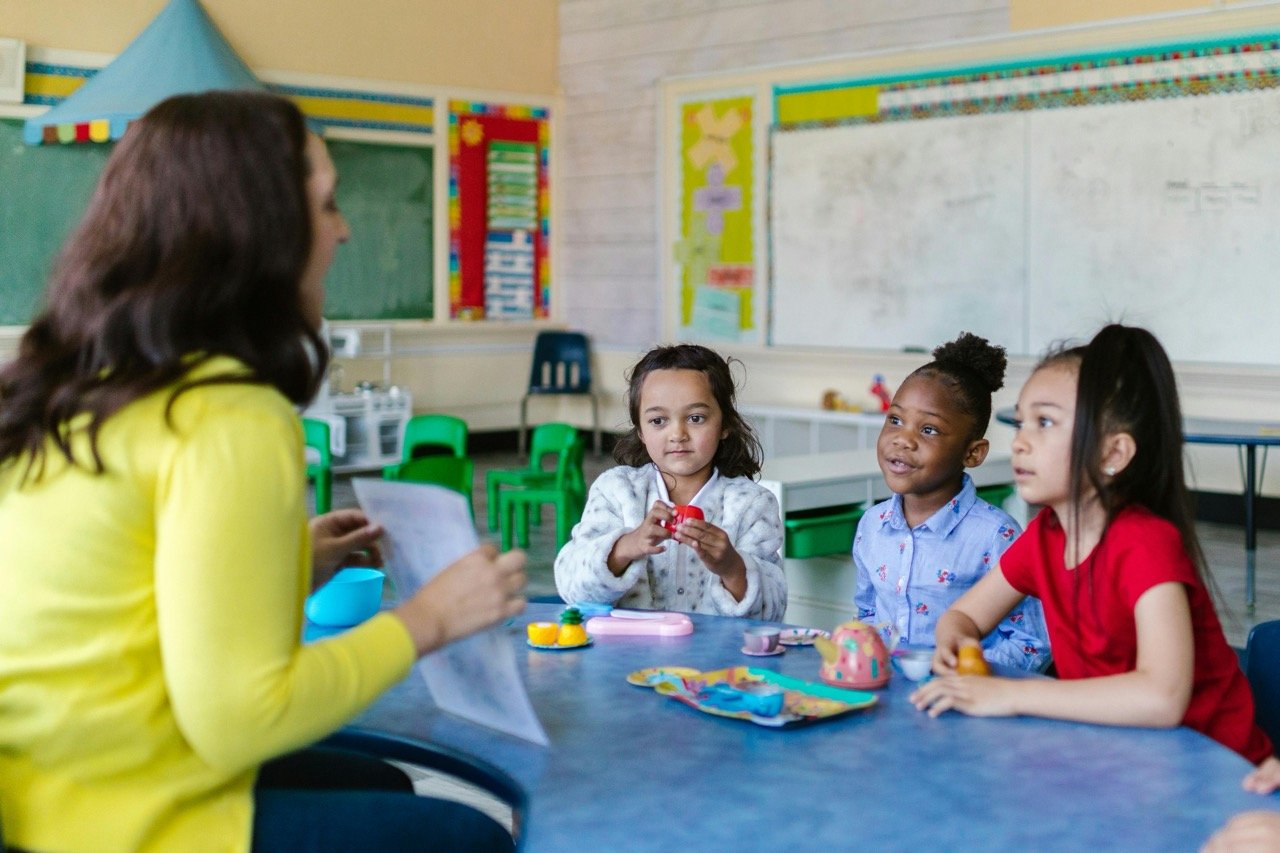
We facilitate every learning cycle and planning session, allowing educators to focus on application rather than system coordination. We participate in leadership meetings to maintain coherence as the system develops. We troubleshoot in real time when challenges arise. We document protocols and structures in ways that match how your teams actually work.
As partnership progresses, we gradually transfer facilitation and coordination responsibilities. Your team begins leading professional learning cycles while we coach. You adapt protocols based on your data while we support the process. By the time partnership ends, your district has both the integrated framework and the capability to sustain it.
Partnership Philosophy:
Time and capacity are real constraints
We design for the professional learning calendar, leadership bandwidth, and pace of change that actually exist in your system—not idealized conditions.
Every district context is different
What works in a small rural district looks different from what works in a large urban system. We adapt scope, structure, and engagement to fit your specific reality.
Trust built through consistency
Sustainable partnership requires showing up reliably, adjusting when something isn't working, and honoring the expertise already present in your educators and leaders.
How we support your work

Complete facilitation
We lead all learning cycles, planning sessions, and system design work throughout our partnership. Educators participate and apply learning in their contexts.

Active system coordination
We maintain alignment across schools, roles, and initiatives by participating directly in leadership meetings, troubleshooting in real time, and ensuring coherence as the system develops.

Full capability transfer
Everything we build becomes yours. Documentation, protocols, facilitation skills, and the ability to sustain and adapt the system long after our partnership ends.
Why now?
The last decade brought significant growth in research-based student support frameworks. Districts now have access to strong knowledge about trauma, development, culture, and learning.
When districts implement frameworks separately, educators learn valuable concepts without clear integration points. Leadership coordinates multiple initiatives in parallel. Student support becomes a collection of programs rather than a unified approach.
What many systems need now isn't more frameworks—it's the ‘how’ to integrate what already exists into something educators can apply sustainably.
How to connect with us
Partnership begins with conversation about your context, priorities, and what sustainable support could look like for your system.
Start a conversation
Share where you are, what you're building toward, and what would be most helpful.
Explore fit together
We determine the scope, structure, and engagement level that makes sense for your district's capacity and goals.
Build over time
Our work grows with you, supporting implementation and refinement as your system develops and your needs evolve.